Learn about the Penny Pledge - our $0.01/kg promise to fund the ‘That’s Clean’ campaign.

Hydrogen’s Abundance Paradox: Why It’s an Energy Carrier, Not a Source

If hydrogen is the most common element in the universe, constituting roughly 75% of all normal matter, why aren’t we using it to power everything from our phones to our freight ships?
The answer lies in a critical distinction that every investor, engineer, and policymaker in the green energy space must understand: Hydrogen is not an energy source; it is an energy carrier.
In this deep dive, we unpack the chemistry behind hydrogen’s “social” nature, the techno-economic realities of breaking its bonds, and why the industry’s future depends on efficient matchmaking between low-cost electrons and high-efficiency electrolyzers.
The Chemistry of a “Social” Element
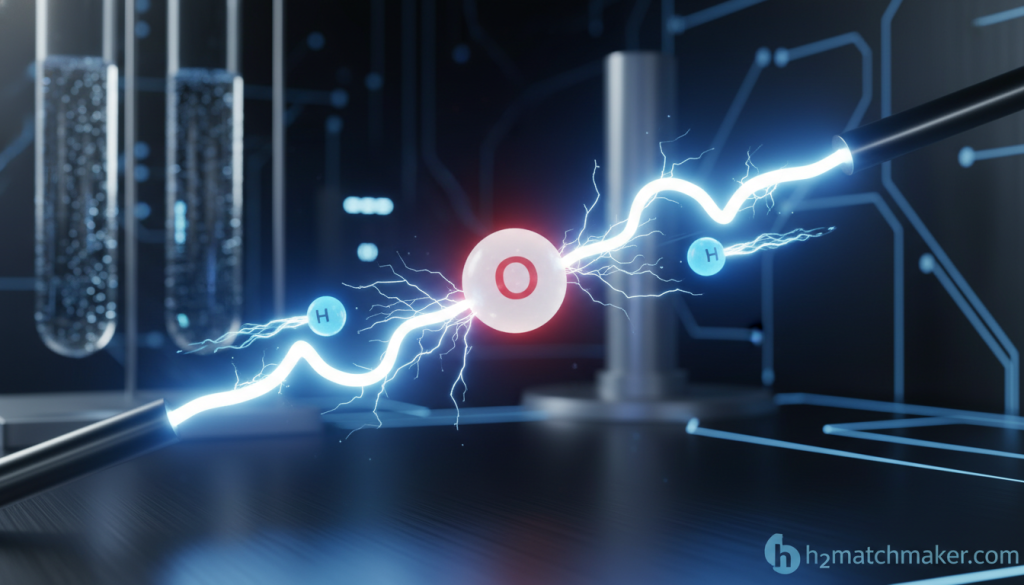
To understand the economics of hydrogen, you first have to understand its chemistry. As highlighted in our latest video analysis, hydrogen hates being alone. On Earth, you will almost never find diatomic hydrogen (H2) floating freely in the atmosphere.
Instead, hydrogen is locked in tight, committed relationships with other elements:
- With Oxygen: To form Water (H2O).
- With Carbon: To form Hydrocarbons (like Methane, CH4).
These bonds are incredibly strong. For instance, the bond dissociation energy required to break the Oxygen-Hydrogen bonds in water is significant. You aren’t just extracting a resource; you are fighting thermodynamics. This is why we cannot simply “mine” hydrogen like we do coal or drill for it like natural gas.
Carrier vs. Source: The Critical Distinction
This brings us to the fundamental classification of hydrogen.
The Definition
Primary Energy Source: A resource found in nature that hasn’t been subjected to a conversion process (e.g., Coal, Crude Oil, Sunlight, Wind).
Energy Carrier: A substance or system that contains energy produced from a primary source, allowing it to be moved, stored, or used later (e.g., Electricity, Batteries, Hydrogen).
Think of hydrogen less like oil and more like a liquid battery. To get energy out of hydrogen (via combustion or a fuel cell), you must first put energy in to create it. The efficiency of this round-trip cycle is the central challenge of the hydrogen economy.
The Cost of the Breakup: Production Pathways
We have to force hydrogen to break up with its partners (Carbon or Oxygen). Currently, the market is defined by two primary methods of doing this, each with distinct economic profiles.
1. The Carbon Breakup: Steam Methane Reforming (SMR)
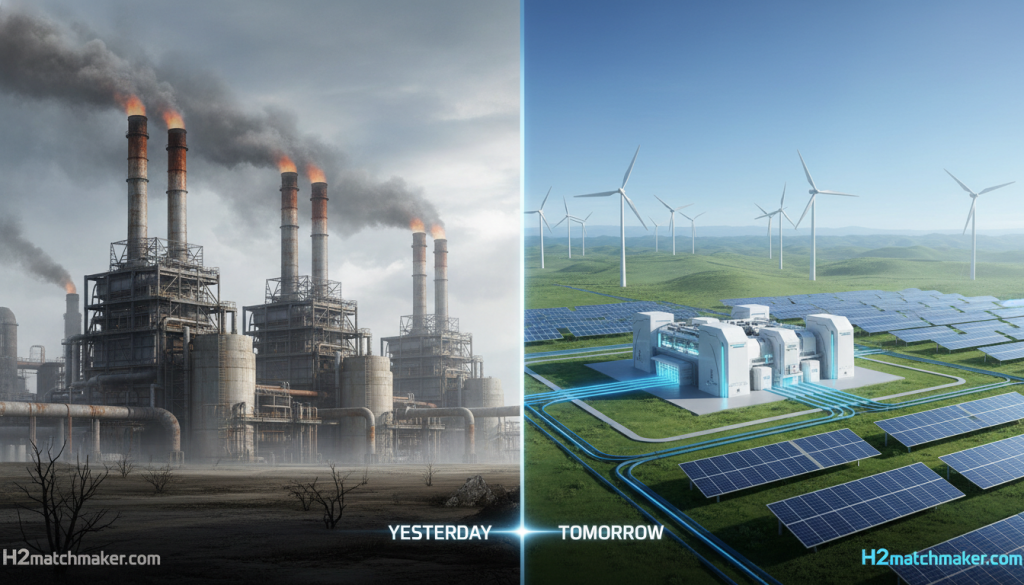
Currently, over 95% of the world’s hydrogen is produced by stripping hydrogen from natural gas (methane) using high-temperature steam and pressure.
- The Process: CH4 + H2O (+ heat) → CO + 3H2
- The Problem: It leaves the Carbon partner behind as CO2. Without Carbon Capture (CCS), this “Gray Hydrogen” defeats the purpose of decarbonization.
2. The Oxygen Breakup: Electrolysis
This is the “Green Hydrogen” holy grail. We use electricity to split water molecules.
- The Process: 2H2O (+ electricity) → 2H2 + O2
- The Challenge: Electrolysis is energy-intensive. Standard efficiencies for Alkaline and PEM electrolyzers range from 60% to 80%. To compete with SMR, we need massive amounts of cheap, renewable electricity.
The Race to Parity
The industry’s goal is to bring the Levelized Cost of Hydrogen (LCOH) for green production down to the $1–$2/kg range. This requires a two-pronged approach:
- CAPEX Reduction: Scaling up electrolyzer manufacturing to reduce the cost of the hardware (the machines that break the bonds).
- OPEX Reduction: Accessing ultra-low-cost renewable energy. Since electricity costs can make up 60-70% of the price of green hydrogen, the location of production matters immensely.
How H2MatchMaker Accelerates the Transition
Because hydrogen is a manufactured product (a carrier) rather than an extracted one (a source), supply chains are complex. You cannot just ship it indiscriminately like oil; the margins are too tight.
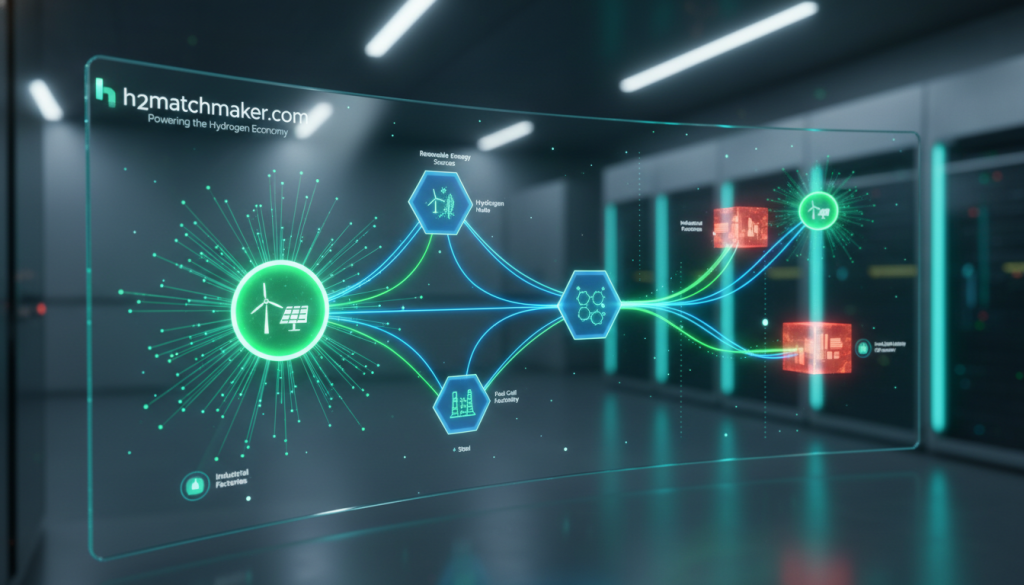
H2MatchMaker solves the availability paradox by connecting the dots in this fragmented ecosystem. We help:
- Project Developers: Find off-takers (buyers) nearby to eliminate expensive transport costs.
- Technology Providers: Connect with renewable energy sites that have excess capacity (cheap electrons) perfect for electrolysis.
- Investors: Compare the real-world LCOH of different project proposals, filtering the hype from the thermodynamics.
The transition isn’t magic; it’s just chemistry, but it requires smart networking to make the chemistry profitable.
Frequently Asked Questions
Is hydrogen renewable?
Hydrogen itself is a renewable element, but its classification depends on the energy source used to produce it. Only “Green Hydrogen” produced via electrolysis using solar, wind, or hydro power is considered fully renewable.
Why is hydrogen efficiency a concern?
Because hydrogen is a carrier, every conversion step loses energy. Converting electricity to hydrogen (electrolysis) and back to electricity (fuel cell) has a round-trip efficiency of roughly 30-40%. Direct electrification (batteries) is often more efficient for passenger cars, but hydrogen excels in heavy industry and long-duration storage where batteries fail.
Ready to Connect?
Abundance doesn’t mean availability, but the right partnership does. Whether you are buying, selling, or developing hydrogen technology, find your match today.